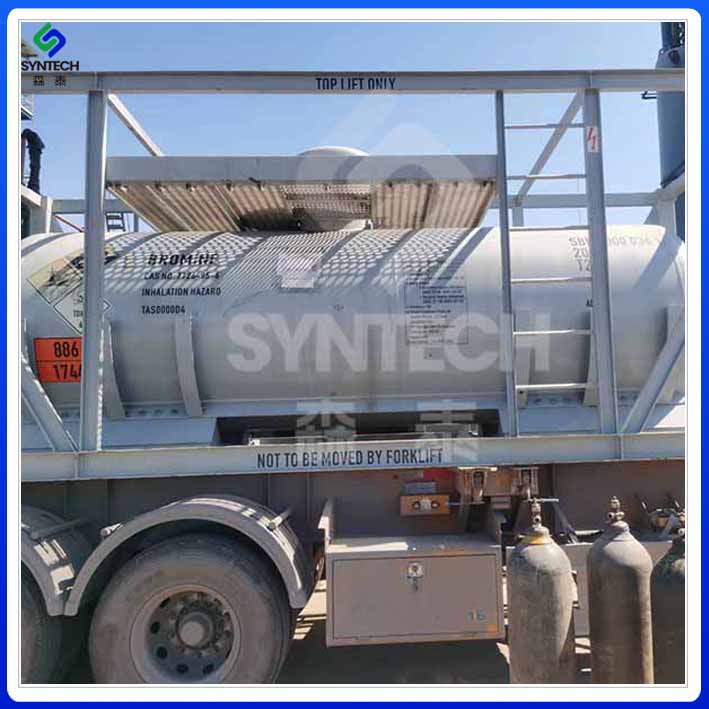
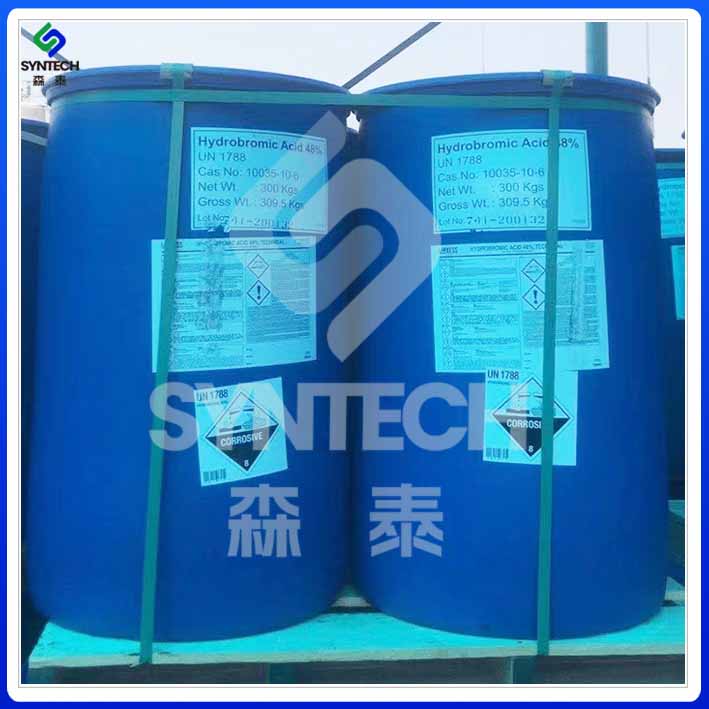
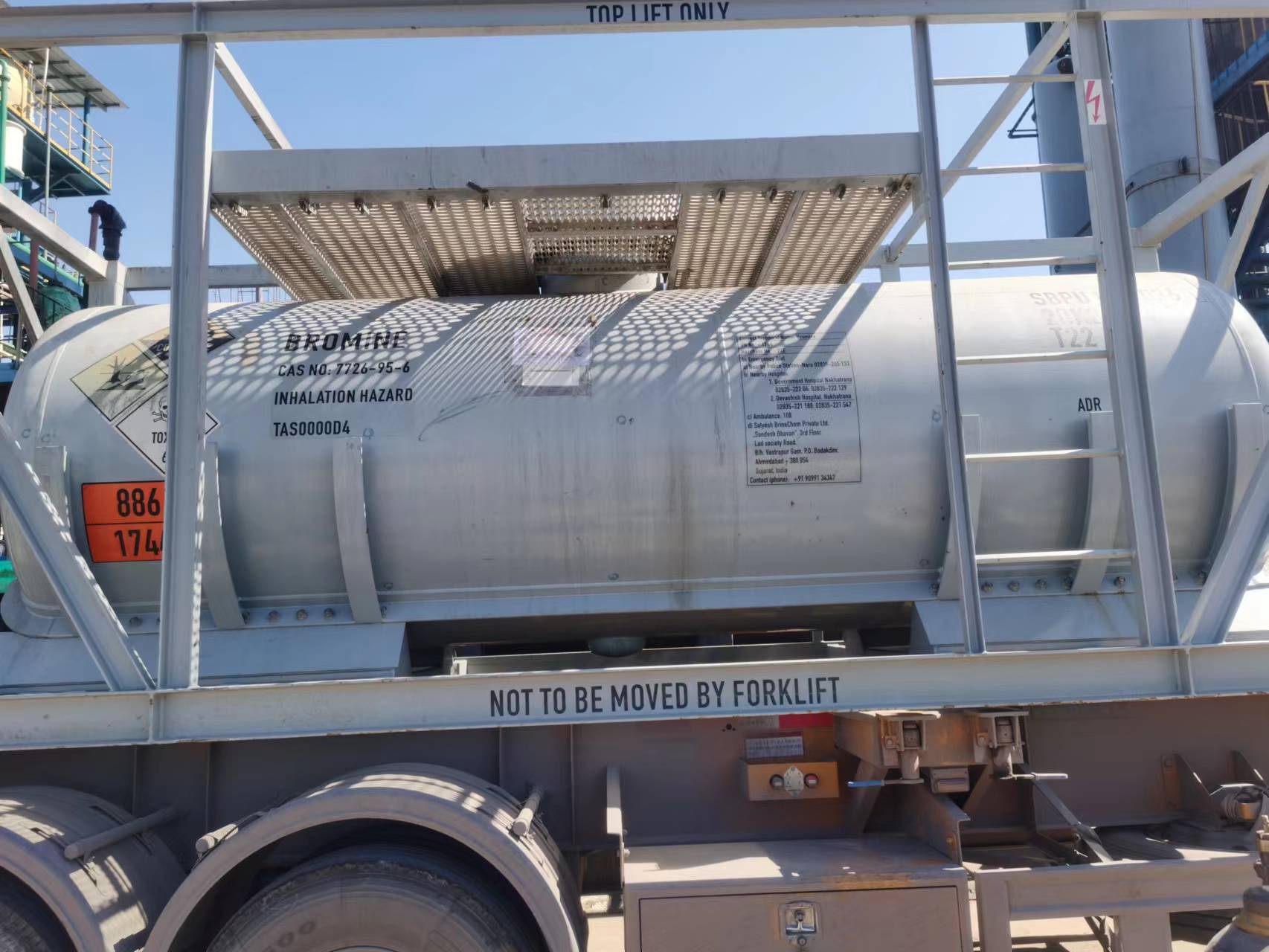
Bromine, as an important chemical raw material, has a wide range of applications in multiple fields.
However, many people know very little about its dangerous attributes.
So, is bromine really that dangerous?
We need to be clear that any chemical substance has its specific hazards, and the key is how we use and store it.
Bromine is no exception, it is a reddish brown liquid with a pungent odor that poses a certain level of harm to the human body.
However, as long as we follow the correct operating methods and safety regulations to handle it, we can greatly reduce the risks it brings.

When using bromine, we should follow a series of strict operating procedures. For example, before operation, all equipment should be checked for cleanliness, valves should be in the correct position, and water, electricity, gas, and heating supply should be normal. Meanwhile, wearing the prescribed safety protective equipment is also an essential step. In addition, the steps of opening the exhaust gas absorption system, closing the bottom valve and vent valve of the bromine high-level tank, opening the vacuum valve and feed valve must be strictly carried out in accordance with the operating procedures.
If you accidentally come into contact with bromine, there is no need to panic too much.
After skin contact, contaminated clothing should be immediately removed and rinsed with running water for 10 minutes or soaked in a 2% sodium bicarbonate solution for at least 30 minutes.
If there is eye contact, immediately lift the eyelids and rinse with flowing water or saline solution for at least 15 minutes.
After inhaling bromine, one should quickly leave the scene and go to a place with fresh air. If breathing is difficult, oxygen should be administered. If breathing stops, artificial respiration should be performed immediately and medical attention should be sought.
In the case of ingestion of bromine, the patient should immediately rinse their mouth, drink milk or egg white, and seek medical attention immediately when awake.
 Emergency response to leaks is also one of the knowledge we must master. Once a bromine leak occurs, personnel in the contaminated area should be quickly evacuated to a safe zone and isolated. Emergency responders need to wear self-contained positive pressure respirators and acid and alkali resistant work clothes to avoid direct contact with leaked materials. Small leaks can be washed with soda water or large amounts of water; If there is a large amount of leakage, it is necessary to build embankments or clean up the leaked bromine into temporary protective tanks, cover them with caustic soda, and then add water for reaction and absorption.
 Although bromine has certain risks, as long as we strictly follow the operating procedures and take necessary preventive measures, we can effectively control and reduce the risks it brings. Therefore, we need not be overly afraid when using bromine, but we must also not take it lightly.