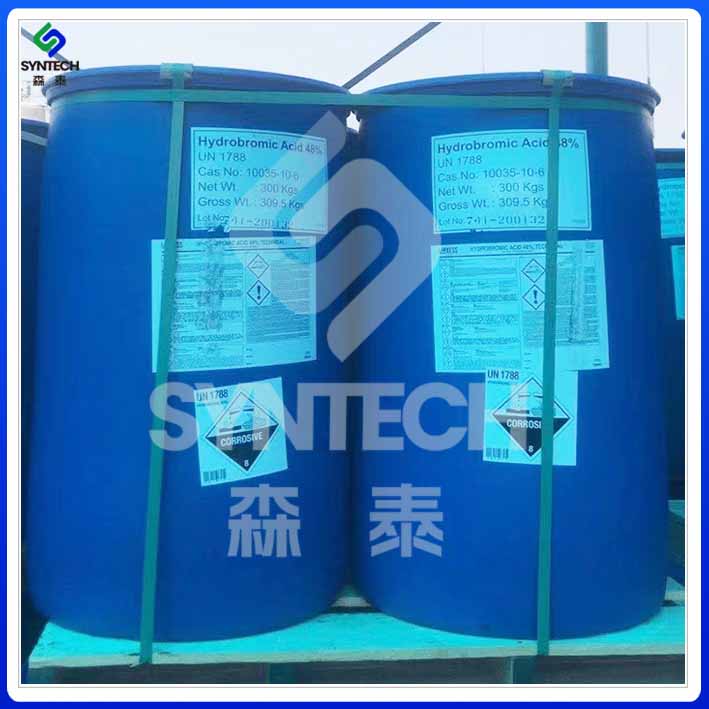
Bromine based flame retardants (BFRs) are a class of organic compounds containing bromine, widely used in materials such as plastics, textiles, and electronic devices to improve their flame retardant properties. Decabromodiphenyl ethane (DBDPE) and tetrabromobisphenol A (TBBPA) are two common brominated flame retardants. Here are their past and present lives:
1. * * Past Lives: Development and Wide Application**
-In the mid-20th century, with the widespread use of synthetic materials such as plastics, the risk of fire increased, and the demand for flame retardants also grew. Bromine based flame retardants have gradually become the mainstream choice due to their efficient flame retardant properties.
-Tetrabromobisphenol A (TBBPA): Since the 1970s, TBBPA has been widely used in printed circuit boards, epoxy resins, and other polymer materials. It is one of the most widely used brominated flame retardants in the world.
-* * Decabromodiphenyl ethane (DBDPE) * *: As a substitute for decabromodiphenyl ether (Deca BDE), DBDPE gradually gained attention in the early 21st century. After the use of Deca BDE was restricted due to environmental and health issues, DBDPE was promoted due to its similar flame retardant effect and lower environmental risk.
2. * * This Life: Environmental and Health Controversy**
-Environmental persistence: Bromine based flame retardants are difficult to degrade in the environment and can easily accumulate in soil, water, and organisms, especially DBDPE and TBBPA.
-Bioaccumulation: These compounds can accumulate in organisms through the food chain, posing a potential threat to ecosystems and human health.
-Toxicity controversy: TBBPA is believed to have endocrine disrupting effects and may affect thyroid function. Although DBDPE has low toxicity, its degradation products may have potential hazards.
-Regulatory restrictions: Due to environmental and health risks, many countries and regions (such as the European Union and the United States) have implemented restrictions or bans on some brominated flame retardants. For example, Deca BDE has been included in the list of persistent organic pollutants (POPs) under the Stockholm Convention.
3. * * Future: Alternative and Sustainable Development**
-Green flame retardants: With the increasing awareness of environmental protection, halogen-free flame retardants (such as phosphorus based and nitrogen based flame retardants) and nanoflame retardant technology have gradually become research hotspots.
-Circular Economy: Promoting the recyclability and degradability of flame retardants, reducing their long-term impact on the environment.
-Policy promotion: The strengthening of chemical management worldwide will lead to the gradual phasing out or replacement of more brominated flame retardants.
summary
Bromine based flame retardants have made significant contributions to material flame retardancy in history, but their environmental and health risks have also attracted widespread attention. In the future, with the advancement of technology and the promotion of environmental policies, brominated flame retardants will gradually be replaced by safer and more environmentally friendly alternatives.