1. Product Hazard Overview
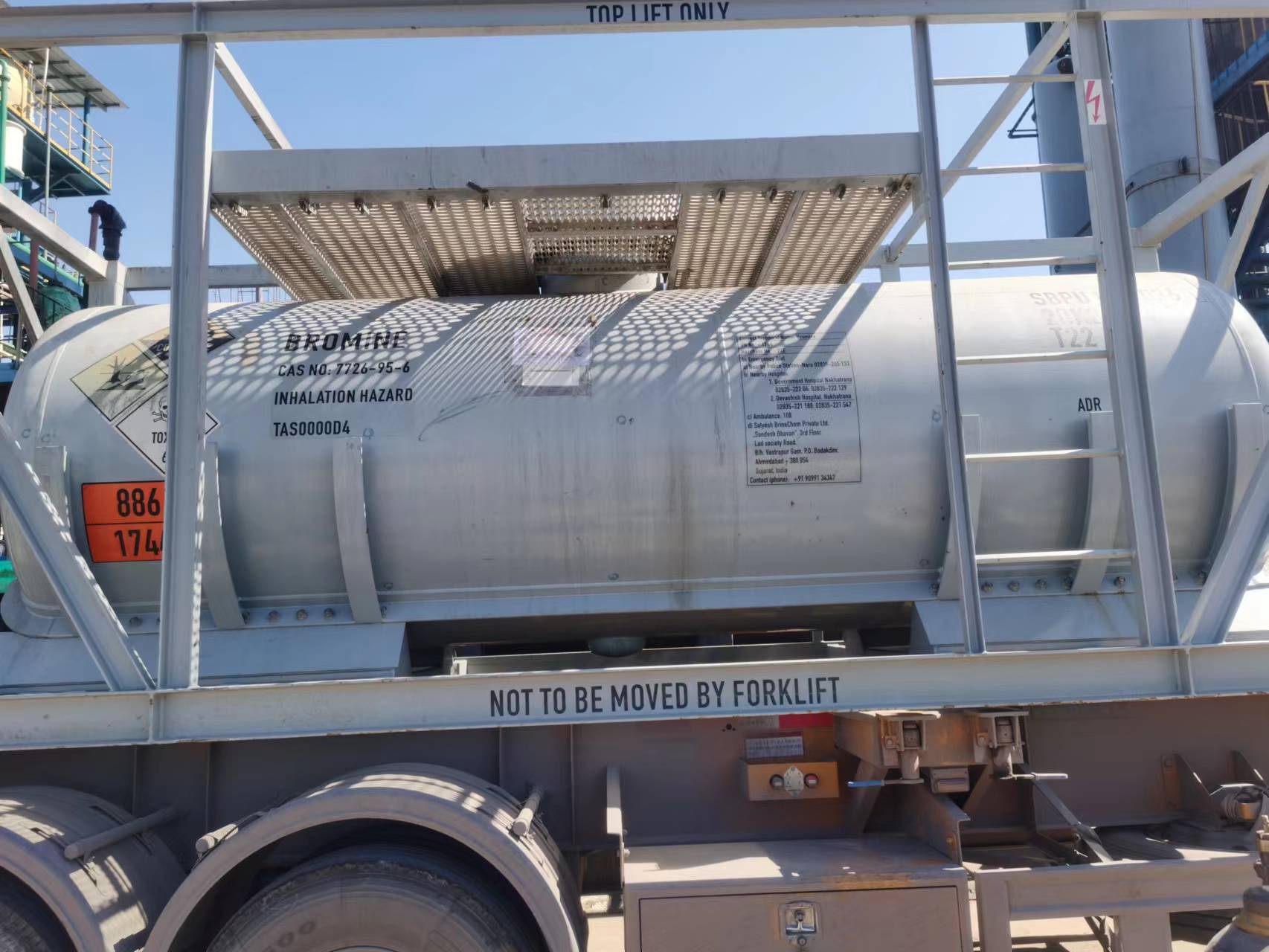
Bromine (Br₂, CAS 7726-95-6) is a dark reddish-brown volatile liquid, highly toxic, strongly corrosive, oxidizing and harmful to the environment . Its vapor irritates respiratory tract, eyes and mucous membranes severely. It causes chemical burns on skin, damages lung tissue long-term, and reacts violently with ammonia, phosphorus, alkalis, flammable materials and reducing substances. Bromine vapor is heavier than air and accumulates in low-lying areas .
2. Personal Protective Equipment (PPE)
- Respiration: Must operate in a fume hood; wear full-face gas masks with bromine-resistant cartridges or self-contained breathing apparatus (SCBA) for high-concentration environments .
- Eye: Wear splash-proof safety goggles or full face shield at all times .
- Hand: Wear thick nitrile or butyl rubber chemical-resistant gloves; disposable thin plastic gloves are strictly forbidden .
- Body: Put on acid-resistant anti-corrosion protective clothing and boots, avoid skin exposure completely.
3. Safe Operation Requirements
- All bromine handling must be carried out in well-ventilated closed systems and fume cabinets .
- Do not hold bromine ampoules for long; hand heat will raise internal pressure and cause leakage or rupture .
- Handle sealed glass/ceramic containers gently; prevent collision, extrusion and breakage.
- Strictly separate bromine from ammonia, phosphorus, aluminum powder, alkalis, wood chips, straw and other flammable & reducing substances during operation.
- No eating, drinking or touching eyes/face during work; wash hands thoroughly after operation.
4. Storage & Transportation Safety
- Store in cool, dry, well-ventilated warehouses, away from sunlight, heat sources and open flames.
- Use sealed acid-resistant ceramic jars/glass bottles with wax or plaster-sealed mouths; place in wooden cases with shockproof padding.
- Store in secondary safety containers, isolated from incompatible chemicals .
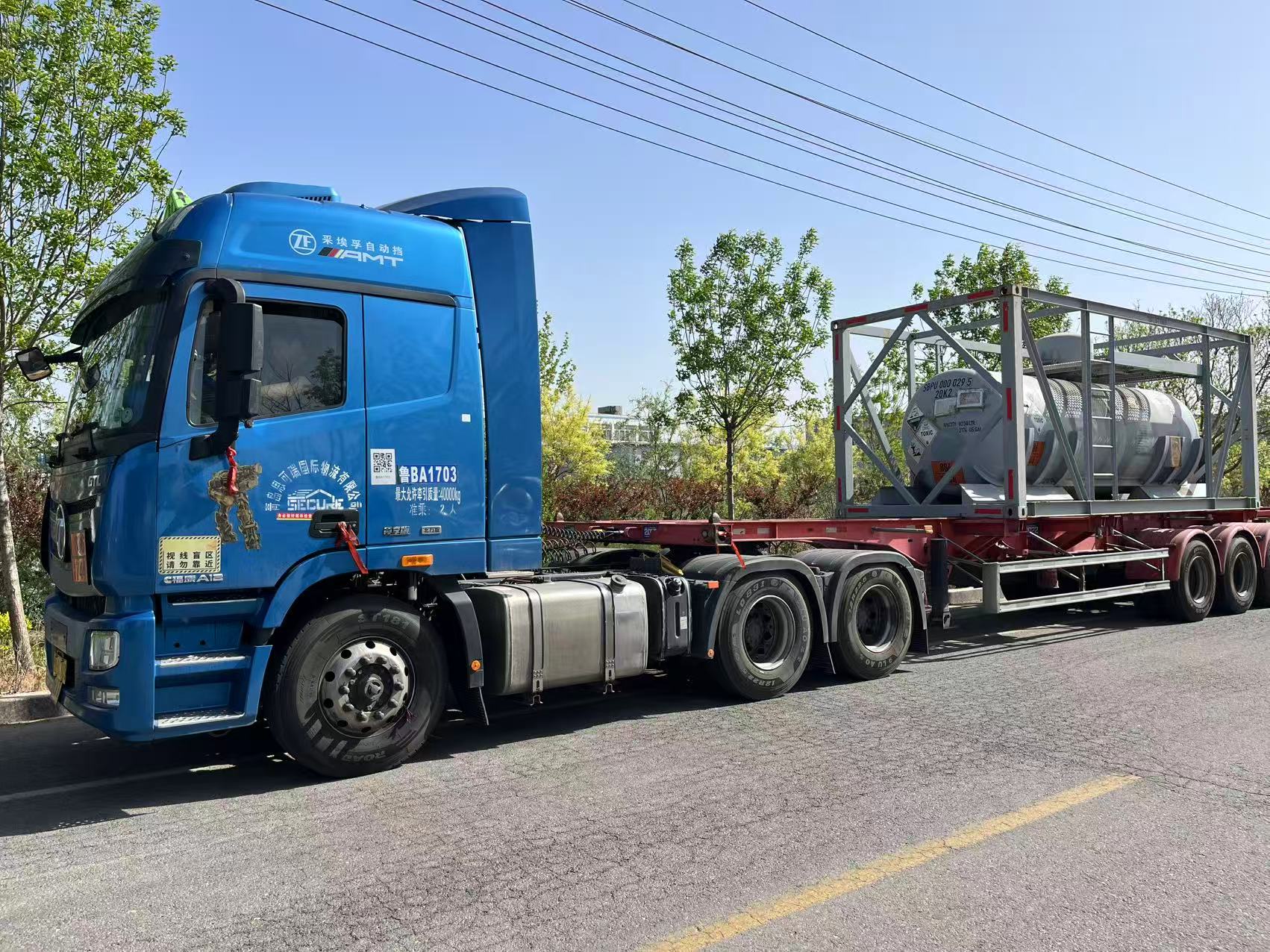
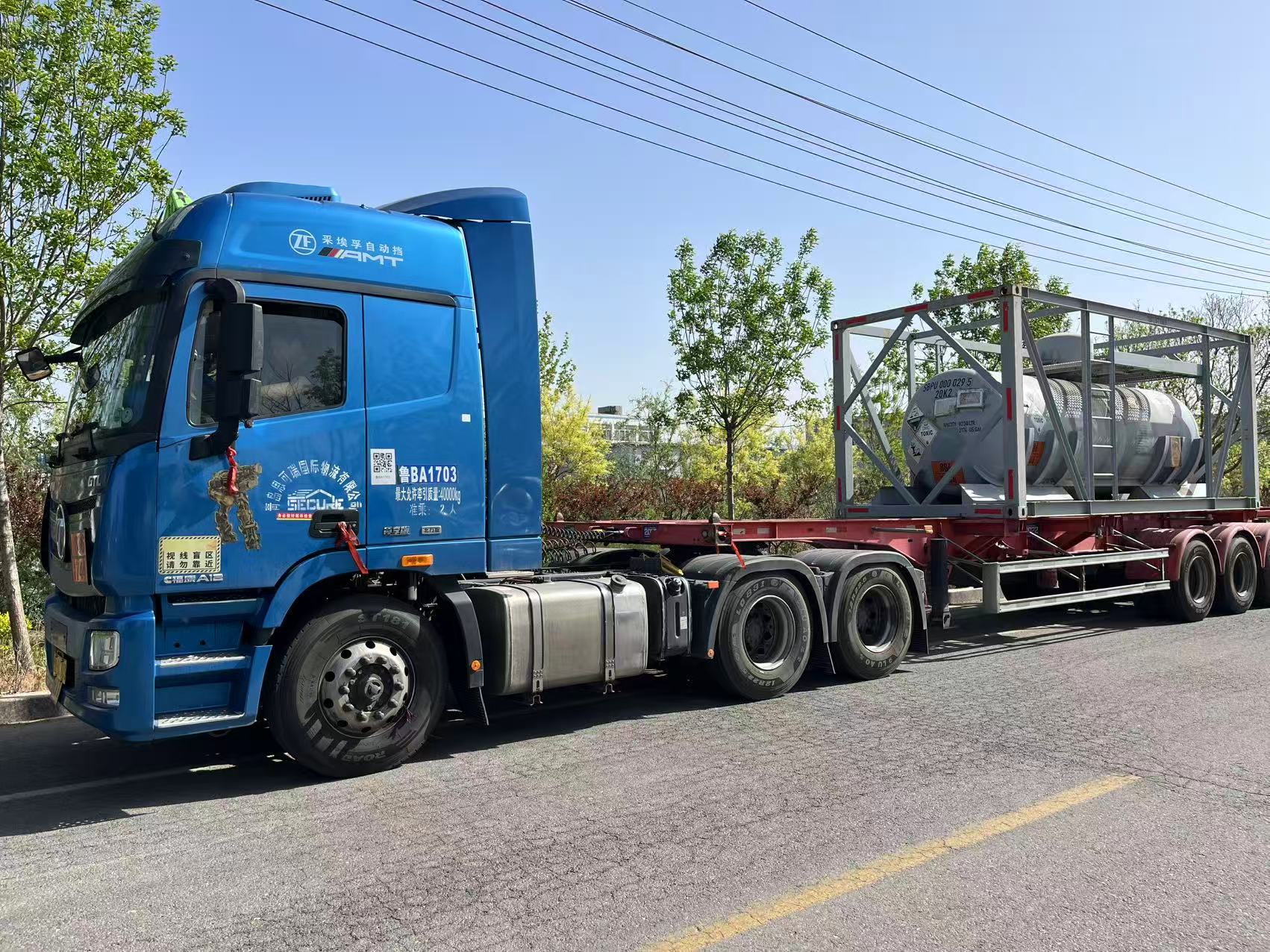
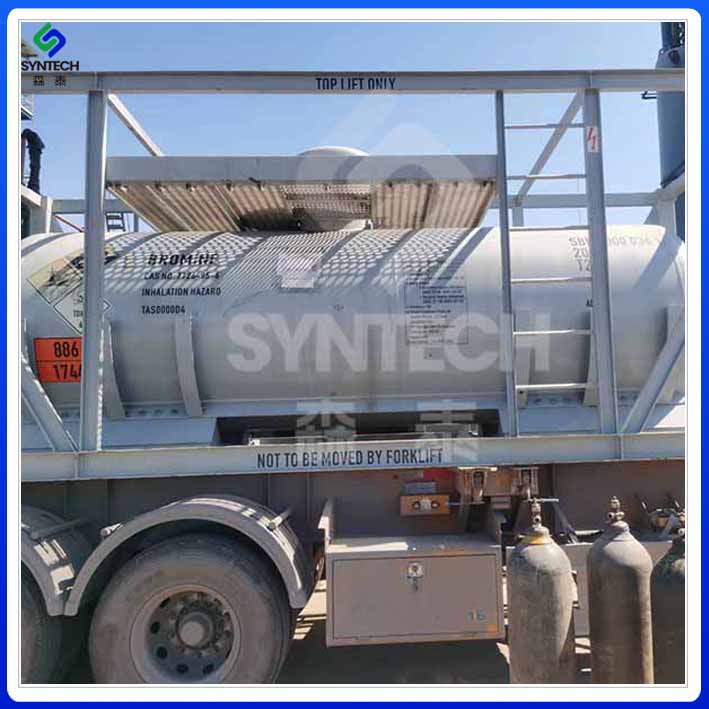
- Transport only on deck, far from living quarters; load/unload gently, follow dangerous goods classification rules .
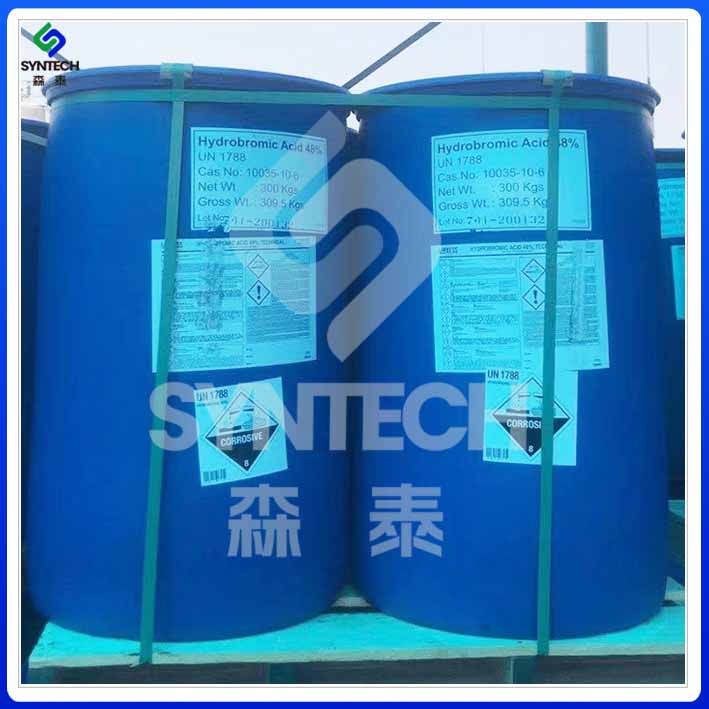
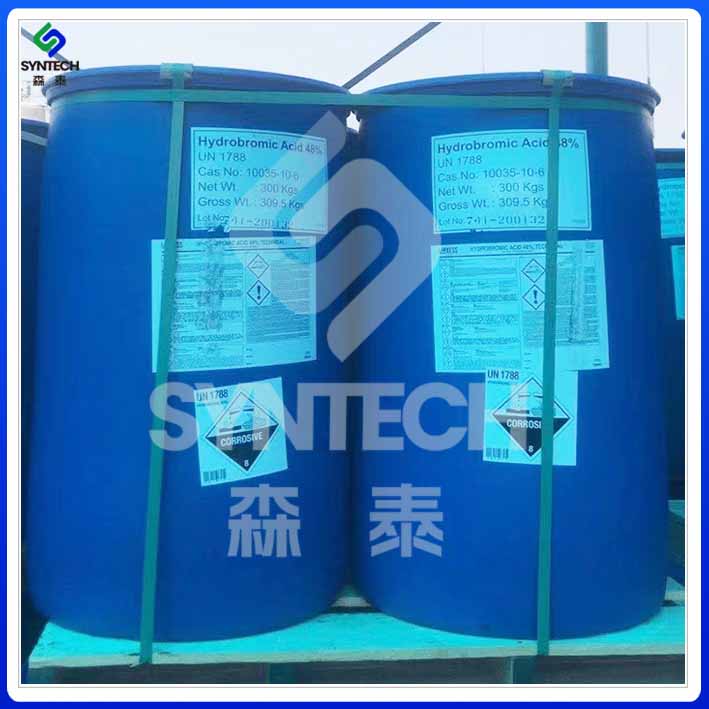
- Mark containers clearly with toxic and corrosive hazard labels.
5. First Aid Emergency Measures
- Inhalation: Immediately move victim to fresh air, keep resting in half-upright position; seek medical help at once for breathing difficulty.
- Skin contact: Rinse affected area with plenty of running water for at least 15 minutes, remove contaminated clothing promptly; treat chemical burns and see a doctor.
- Eye contact: Flush eyes with large amounts of water continuously for 10–15 minutes, remove contact lenses if convenient; get medical treatment immediately.
- Ingestion: Drink plenty of milk or water to dilute poison, never induce vomiting, seek emergency medical care right away .
6. Spill Disposal
- Small leakage: Absorb with inert absorbent, neutralize with sodium thiosulfate solution, seal waste properly .
- Large leakage: Evacuate personnel immediately, isolate the area; clean with full protective gear and professional decontamination agents .
- Prevent bromine vapor from spreading and flowing into sewers or natural water bodies to avoid environmental pollution .
7. Waste Disposal
- Waste bromine and contaminated materials must be sealed, clearly labeled, and disposed in accordance with hazardous waste management regulations .
- Do not mix bromine waste with ordinary garbage or incompatible chemical waste .
8. Fire Safety
Bromine itself is non-flammable but strong oxidizer, accelerating combustion of surrounding combustibles .
- Extinguish fire with dry sand, carbon dioxide fire extinguishers; avoid direct high-pressure water jet impact to prevent splashing diffusion.
- Firefighters must wear full isolated breathing and protective suits.
Need me to shorten this into a concise lab-version bromine safety English sheet?